How to Make Your Website GDPR and CCPA Compliant is an essential consideration for every online business today. With the growing emphasis on data privacy, understanding the General Data Protection Regulation (GDPR) and the California Consumer Privacy Act (CCPA) is crucial for website owners. These regulations not only shape how personal data is collected and processed but also empower users with greater control over their information.
This guide will provide insights into these important laws and Artikel the necessary steps to ensure compliance.
Understanding GDPR and CCPA

The General Data Protection Regulation (GDPR) and the California Consumer Privacy Act (CCPA) are two significant regulations that govern data protection and privacy rights for individuals. Both laws aim to enhance the protection of personal data and provide individuals with greater control over their information. This discussion will delve into the principles underlying these regulations and their implications for website owners.
Main Principles of GDPR and Implications for Website Owners
GDPR, which took effect in May 2018, establishes stringent rules for the collection, storage, and processing of personal data of individuals within the European Union (EU). The main principles of GDPR include:
- Lawfulness, Fairness, and Transparency: Data must be processed legally and transparently. Website owners are required to inform users about their data collection practices and the purposes for which their data is used.
- Purpose Limitation: Data should only be collected for specified, legitimate purposes and not further processed in a manner incompatible with those purposes.
- Data Minimization: Only the necessary data for a specific purpose should be collected and processed.
- Accuracy: Website owners must take reasonable steps to ensure that personal data is accurate and kept up to date.
- Storage Limitation: Personal data must be retained only for as long as necessary for the purposes for which it was processed.
- Integrity and Confidentiality: Data must be processed in a manner that ensures appropriate security against unauthorized or unlawful processing and against accidental loss, destruction, or damage.
Website owners must implement measures such as updating privacy policies, obtaining explicit consent for data processing, and enhancing security protocols to comply with these principles.
Overview of CCPA Regulations and Impact on Consumer Data Rights
The California Consumer Privacy Act (CCPA), effective January 2020, provides California residents with enhanced privacy rights regarding their personal data. The key elements of CCPA include:
- Right to Know: Consumers have the right to know what personal data is being collected about them and the purpose of its use.
- Right to Delete: Individuals can request the deletion of their personal data held by businesses.
- Right to Opt-Out: Consumers can opt-out of the sale of their personal information.
- Non-Discrimination: Consumers who exercise their rights under CCPA must not face discrimination in terms of service or pricing.
These regulations empower consumers by granting them significant control over their personal information. Website owners must enhance transparency in data practices and facilitate mechanisms for users to exercise their rights.
Differences Between GDPR and CCPA in Terms of Compliance Requirements
While GDPR and CCPA share the common goal of protecting consumer data, they differ significantly in their compliance requirements. Notable differences include:
- Geographic Scope: GDPR applies to all businesses processing the data of EU residents, regardless of where the business is located. In contrast, CCPA primarily applies to businesses operating in California.
- Consumer Rights: GDPR provides a range of rights, including the right to access, rectify, and erase personal data, while CCPA focuses on the rights to know, delete, and opt-out of data sales.
- Consent Requirements: GDPR mandates explicit consent for data processing, while CCPA allows businesses to collect data without consent as long as they provide a clear opt-out option.
- Penalties: GDPR imposes strict fines for non-compliance, reaching up to €20 million or 4% of global annual turnover, while CCPA includes penalties of up to $7,500 per violation.
Understanding these differences is crucial for website owners to ensure compliance with both regulations effectively, as failing to do so may result in significant legal and financial repercussions.
Importance of Compliance
In today’s digital landscape, ensuring compliance with regulations such as the General Data Protection Regulation (GDPR) and the California Consumer Privacy Act (CCPA) is crucial for businesses operating online. These regulations not only aim to protect consumer data but also establish a framework for how organizations collect, store, and utilize personal information. Non-compliance can lead to significant legal and financial repercussions, making it essential for businesses to prioritize adherence.Compliance with GDPR and CCPA is not just about avoiding penalties; it plays a vital role in reinforcing consumer trust and enhancing brand reputation.
Organizations that transparently manage customer data are more likely to foster loyalty among their clients, leading to long-term business growth. Understanding the implications of these regulations helps businesses navigate the complexities of data protection while building a positive relationship with their customers.
Significance of Compliance for Online Businesses
The significance of compliance with GDPR and CCPA extends beyond mere legal obligations. Businesses that effectively implement these regulations can expect numerous benefits, including:
- Legal Protection: Adhering to GDPR and CCPA safeguards businesses against legal action. Non-compliance can result in hefty fines, with GDPR penalties reaching up to €20 million or 4% of annual global turnover, whichever is higher. For CCPA violations, fines can amount to $2,500 per violation or $7,500 per intentional violation.
- Enhanced Consumer Trust: By demonstrating a commitment to data protection, companies can build stronger relationships with their customers. Trust is a key component of customer loyalty, and businesses that prioritize compliance are often viewed more favorably.
- Competitive Advantage: In a crowded marketplace, companies that comply with data protection regulations can differentiate themselves from competitors. Customers are increasingly favoring businesses that respect their privacy and handle their data responsibly.
- Improved Data Management Practices: The process of becoming compliant encourages organizations to review and enhance their data management practices. This can lead to operational efficiency, better data quality, and ultimately, more informed business decisions.
“Fostering consumer trust through compliance can lead to sustained business growth.”
Risks and Penalties of Non-Compliance
The potential risks associated with non-compliance with GDPR and CCPA are substantial and can impact businesses in various ways. Failing to adhere to these regulations not only exposes companies to financial penalties but can also lead to reputational damage, loss of customer trust, and disrupted operations.
- Financial Penalties: As previously mentioned, the fines for non-compliance can be severe. The financial burden can cripple smaller businesses and deter larger corporations from innovative strategies due to the fear of potential fines.
- Litigation Risk: Non-compliance can also expose businesses to lawsuits from consumers whose rights have been violated. Legal battles can be costly and time-consuming, leading to further financial strain.
- Reputational Damage: Once trust is lost, it can be challenging to regain. Negative publicity and customer backlash can lead to a decline in sales and a tarnished brand image.
- Operational Disruption: Investigations and audits related to non-compliance can divert resources and attention away from core business activities, affecting overall productivity.
“A single data breach can irreversibly harm a company’s reputation.”
Enhancing Consumer Trust and Brand Reputation
The proactive approach of complying with GDPR and CCPA not only mitigates risks but also contributes significantly to enhancing consumer trust and brand reputation. Businesses that prioritize transparency in how they handle personal data are more likely to foster a loyal customer base.
- Transparency in Data Usage: Clear communication regarding data collection practices builds trust. Informing customers about how their data is used and obtaining explicit consent can enhance their perception of the brand.
- Responsive Customer Support: Establishing a dedicated channel for data-related inquiries can demonstrate a company’s commitment to consumer rights, further enhancing trust.
- Positive Brand Association: Companies known for their adherence to data protection regulations are often associated with corporate responsibility and ethical practices, which can lead to increased customer loyalty and positive word-of-mouth marketing.
- Continuous Improvement: Regular assessments of compliance practices can lead to ongoing improvements in data handling processes, ultimately benefiting both the company and its customers.
“Trust and transparency are the cornerstones of long-lasting customer relationships.”
Assessing Your Current Website
To ensure compliance with GDPR and CCPA, it is essential to thoroughly assess your current website practices. This involves evaluating how personal data is collected, stored, and managed. A comprehensive understanding of your website’s compliance status will help you pinpoint necessary areas for improvement.Conducting an assessment allows businesses to identify gaps in compliance and to address non-compliance that could lead to penalties.
The following checklist Artikels critical aspects to evaluate to ensure alignment with GDPR and CCPA regulations.
Checklist for Evaluating Website Practices
This checklist serves as a foundational tool for businesses to ensure their website practices meet legal requirements. Evaluate each item to determine your compliance status:
- Review privacy policies for transparency and clarity regarding data collection and usage.
- Ensure consent mechanisms are in place and that users can easily opt-in or opt-out of data collection.
- Verify that data processing agreements with third-party vendors are established and compliant.
- Audit all data collection forms to confirm they only request necessary information.
- Examine cookie consent banners to ensure they comply with regulations regarding tracking technologies.
- Check user access rights for data deletion, correction, and portability mechanisms.
- Ensure security measures are implemented to protect personal information from unauthorized access.
Common Areas of Non-Compliance
Businesses often overlook specific areas that can lead to non-compliance with GDPR and CCPA. Recognizing these common pitfalls is vital for ensuring adherence to legal standards. Areas to focus on include:
- Lack of explicit consent collection for data processing activities.
- Insufficient privacy policy updates that fail to reflect current practices.
- Inadequate data breach response plans that do not meet notification requirements.
- Failure to provide user access to their personal data or options for its deletion.
- Unclear or vague descriptions of data sharing with third parties.
Methods for Auditing Data Practices
Auditing your website’s data collection, storage, and processing practices is crucial for identifying areas of non-compliance. Implementing a structured audit process can enhance data governance. Consider the following methods:
- Perform a data inventory to catalog all personal data collected, including its source and purpose.
- Utilize data mapping techniques to visualize data flows throughout the organization.
- Engage a third-party compliance expert to conduct an external audit of your data practices.
- Regularly review and update data handling procedures to adapt to changing regulations.
- Establish ongoing training for staff to maintain awareness of compliance obligations.
Implementing Compliance Strategies
To ensure your website complies with GDPR and CCPA regulations, it is essential to implement effective compliance strategies. These strategies not only safeguard user data but also build trust with your audience. This section will focus on the steps necessary for updating privacy policies, implementing consent mechanisms, and best practices for managing user data.
Updating Privacy Policies
Updating your privacy policy is a crucial step toward compliance. It is important to clearly Artikel how you collect, use, and protect user data. Here are key components to include in your updated privacy policy:
- Information Collection: Describe the types of personal data collected, such as names, email addresses, and payment information.
- Purpose of Data Use: Clearly Artikel how the collected data will be used, including marketing, service improvement, and customer support.
- Legal Basis for Processing: Specify the lawful basis for processing personal data as required by GDPR, such as consent or legitimate interests.
- User Rights: Inform users of their rights under GDPR and CCPA, including the right to access, correct, delete their data, and opt-out of data selling.
- Data Sharing: Disclose any third parties with whom user data may be shared and the purposes for sharing.
- Data Retention: Explain how long data will be retained and the criteria for determining retention periods.
Implementing Consent Mechanisms
Incorporating consent mechanisms is vital for compliance with GDPR and CCPA. Users must provide explicit consent before their data is collected. Below is a guide to help you establish effective consent mechanisms on your website:
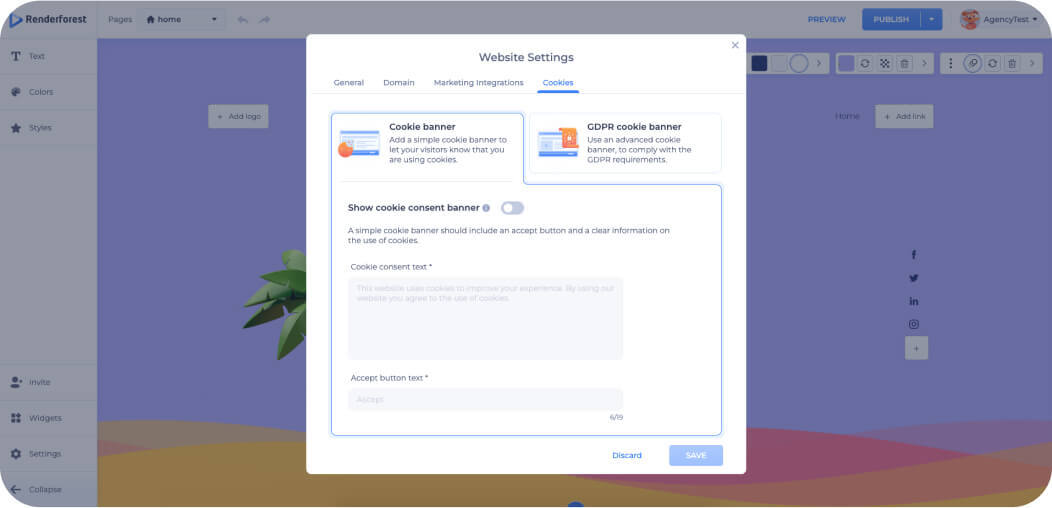
- Cookie Consent Banners: Implement clear cookie banners that inform users about the use of cookies and allow them to manage their preferences.
- Opt-in Forms: Use opt-in checkboxes for newsletter sign-ups, ensuring they are not pre-checked and require user action.
- Privacy Notices: Present concise privacy notices at the point of data collection, outlining what data is collected and how it will be used.
- Confirmation Emails: Send confirmation emails to users after they provide consent to verify their choice and detail data handling practices.
- Easy Withdrawal of Consent: Provide users with straightforward options to withdraw consent at any time, along with clear instructions.
Managing User Data and Rights Requests
Effectively managing user data is essential for compliance and maintaining user trust. Best practices for managing user data and facilitating rights requests include:
- Data Inventory: Maintain a comprehensive inventory of all personal data collected, including where it is stored and for what purposes.
- User Access Requests: Develop a streamlined process for handling user access requests, allowing users to quickly obtain copies of their data.
- Data Deletion Procedures: Establish clear procedures for data deletion requests to ensure compliance with user rights to be forgotten.
- Regular Audits: Conduct regular data audits to ensure compliance with GDPR and CCPA, identifying any areas for improvement.
- Employee Training: Provide ongoing training for employees on data protection regulations and the importance of user privacy.
Developing a Privacy Policy

Creating a comprehensive privacy policy is a critical step in ensuring your website is compliant with GDPR and CCPA regulations. A well-structured privacy policy not only informs users about how their data is collected, used, and protected, but also builds trust between the business and its users by being transparent about data practices.A privacy policy should be drafted with specific attention to language that is clear and user-friendly.
This helps users understand their rights and the implications of sharing their data. Below is a template that can serve as a guide for developing your privacy policy while ensuring compliance with GDPR and CCPA.
Template for a GDPR and CCPA Compliant Privacy Policy
The following sections are essential components of a privacy policy that aligns with regulatory requirements:
- Introduction: State the commitment to privacy and compliance with applicable laws.
- Information We Collect: Detail the types of personal data collected (e.g., name, email, IP address) and the methods of collection (e.g., forms, cookies).
- Purpose of Data Collection: Explain why the data is being collected, such as for service improvements, customer support, or marketing purposes.
- Data Sharing: Describe under what circumstances, if any, user data will be shared with third parties.
- User Rights: Inform users about their rights under GDPR and CCPA, including the right to access, modify, or delete personal information.
- Security Measures: Artikel the measures in place to protect user data from unauthorized access or breaches.
- Policy Changes: Explain how changes to the privacy policy will be communicated to users.
- Contact Information: Provide contact details for users to reach out with questions or concerns regarding their personal data.
Examples of Clear Language for Data Collection and Usage
It is important to use simple and direct language when explaining data collection practices. Here are some examples:
“We collect your email address when you sign up for our newsletter to provide you with updates and promotional content.”
“Your IP address is recorded to improve site functionality and enhance your browsing experience. We do not share this information with third parties.”
“We use cookies to personalize your experience. You can control cookie preferences through your browser settings.”
Communicating Changes in Privacy Practices
Effectively communicating any changes to your privacy practices is essential for maintaining transparency and trust. It is advisable to implement a clear notification process whenever the privacy policy is updated. Consider the following approaches:
- Email Notifications: Directly notify users via email about significant changes to the policy.
- Website Banner: Display a banner on your website informing users of the updated policy with a link to the full text.
- Update Date: Clearly indicate the date when the privacy policy was last updated at the top of the document.
- User Consent: In cases of major changes, re-obtain user consent for data processing practices as necessary.
Training and Awareness
To ensure that your organization effectively complies with GDPR and CCPA regulations, it is paramount to establish a robust training program for all employees. This program should aim to educate staff on compliance requirements and the importance of data protection. By fostering a culture of privacy awareness, organizations can mitigate risks associated with data breaches and enhance overall accountability.Training programs should focus on both theoretical knowledge and practical application of data protection laws.
A successful training initiative incorporates various learning formats, including workshops, online modules, and interactive sessions to engage employees effectively. Regular training refreshers are essential to keep staff updated on evolving regulations and best practices.
Designing an Employee Training Program
An effective training program should encompass several key elements to ensure comprehensiveness and engagement. The following components are essential for a successful employee training program regarding compliance requirements:
- Overview of GDPR and CCPA: Provide a foundational understanding of these regulations, including key definitions, principles, and rights for individuals.
- Policies and Procedures: Clearly Artikel the organization’s data handling policies and procedures, focusing on how employees should process personal data in compliance with the law.
- Data Breach Response Plan: Educate employees on the necessary steps to take in the event of a data breach, including reporting protocols and mitigation strategies.
- Real-Life Case Studies: Use examples of past data breaches and the consequences faced by organizations to illustrate the importance of compliance and vigilance.
- Assessment and Feedback: Regularly assess employee understanding through quizzes or feedback sessions to identify areas for improvement and reinforce learning.
Fostering a Culture of Privacy Awareness
Creating a culture of privacy awareness goes beyond formal training sessions. It involves integrating data protection principles into the daily practices of all staff members. Organizations can adopt the following strategies to promote privacy awareness:
- Leadership Commitment: Management should actively demonstrate their commitment to privacy by prioritizing data protection in organizational discussions and decisions.
- Regular Communication: Establish ongoing communication channels to share updates about data protection laws, company policies, and best practices.
- Recognition Programs: Implement recognition programs that reward employees who exemplify best practices in data handling and compliance.
- Privacy Champions: Designate privacy champions within departments to serve as resources for colleagues, promoting accountability and peer engagement.
- Accessible Resources: Ensure that all employees have easy access to relevant privacy resources, such as the organization’s privacy policy and data protection guidelines.
Ongoing Education and Development
Data protection laws are continuously evolving, making ongoing education crucial for all staff members. Regularly scheduled training sessions and updates about changes in legislation will help employees stay informed and compliant.
- Annual Refresher Courses: Conduct annual training to refresh employees’ knowledge and introduce any new policies or legislative changes.
- Industry Conferences and Workshops: Encourage attendance at industry events focused on data protection and privacy to broaden knowledge and network with experts.
- Access to Online Resources: Provide subscriptions to relevant publications, webinars, and online courses that keep employees informed about best practices and legal updates.
- Continuous Feedback Mechanisms: Implement channels for employees to provide feedback on training effectiveness and suggest topics for future training programs.
“An informed employee is the first line of defense against data breaches and compliance violations.”
Monitoring and Reporting

Establishing a robust monitoring and reporting system is essential for ensuring ongoing compliance with GDPR and CCPA. This process not only safeguards personal data but also builds trust with users by demonstrating commitment to privacy and data protection.The procedures for establishing a monitoring system involve several key steps and best practices that should be consistently applied. A comprehensive monitoring approach should include regular audits, ongoing risk assessments, and continuous evaluation of compliance measures.
The following elements are vital in maintaining a proactive stance towards compliance:
Establishing a Monitoring System
To effectively monitor compliance, organizations should implement the following strategies:
- Conduct regular audits of data processing activities to ensure adherence to GDPR and CCPA requirements.
- Utilize automated monitoring tools that can alert the organization to potential non-compliance issues in real-time.
- Implement a schedule for periodic reviews of privacy policies and data protection practices to keep them updated and effective.
- Engage in continuous training for staff members on compliance obligations and the importance of data protection.
Reporting Data Breaches
Understanding the requirements for reporting data breaches is critical in both GDPR and CCPA frameworks. Organizations must adhere to specific timelines and procedures when a data breach occurs:
- GDPR mandates that data breaches must be reported to the relevant supervisory authority within 72 hours of becoming aware of the breach.
- Individuals affected by the breach must also be notified if the breach is likely to result in a high risk to their rights and freedoms.
- CCPA requires businesses to notify affected consumers if their personal information is compromised, although it does not specify a strict timeline akin to GDPR.
- Both regulations emphasize documenting the breach, outlining its nature, implications, and the measures taken in response.
Documenting Compliance Efforts
Maintaining thorough records of compliance efforts is essential for demonstrating accountability. Organizations should focus on:
- Creating and updating a comprehensive data inventory that details what personal data is collected, processed, and shared.
- Documenting consent records, ensuring that consent mechanisms are clear, informed, and revocable.
- Keeping a log of data processing activities, including purposes, data retention periods, and data transfer details.
- Regularly reviewing and updating documentation in response to any changes in data processing activities or legal requirements.
“Establishing a proactive compliance monitoring system not only mitigates risks but also enhances customer trust and loyalty.”
Tools and Resources

In the evolving landscape of data privacy regulations such as GDPR and CCPA, utilizing the right tools and resources is crucial for effective compliance. Various software solutions and resources exist to help businesses navigate these complexities while ensuring they protect consumer data responsibly.Numerous tools and resources can facilitate the compliance process, ranging from consent management platforms to legal consultation services.
Employing these resources can significantly streamline your efforts and provide clarity in understanding compliance requirements.
Compliance Tools and Software
Several tools have been developed specifically to assist organizations in meeting GDPR and CCPA standards. Below are some noteworthy options that provide functionality from data mapping to consent management:
- OneTrust: A widely recognized platform that offers comprehensive solutions for privacy management, including risk assessments and data subject requests.
- TrustArc: This tool supports compliance with features such as assessment automation and privacy policy generation.
- Cookiebot: A consent management tool that helps businesses manage cookie consent and create detailed reports on user consent.
- GDPR365: This software provides a full suite of tools for GDPR compliance, including data mapping and training modules.
- Zywave: Offers resources that help create compliant privacy policies tailored to specific business needs.
Government Resources and Official Guidelines
For organizations seeking authoritative guidance, referring to government resources is advisable. Official guidelines provide clarity on compliance obligations and serve as a reference point for businesses.
- European Commission: The official site provides a wealth of information regarding GDPR, including guidelines, FAQs, and resources for businesses.
- California Attorney General: The CCPA compliance page contains essential resources, including compliance checklists and FAQs for businesses operating in California.
- ICO (Information Commissioner’s Office): The UK’s ICO offers detailed guidance and tools for GDPR compliance, including templates and reports.
- NIST (National Institute of Standards and Technology): Offers frameworks and guidelines that can help organizations understand how to implement comprehensive data privacy measures.
Community Forums and Support Networks
Beyond official resources, community forums and networks can provide valuable support and insights. Engaging with peers and experts in data privacy can enhance understanding and share best practices.
- IAPP (International Association of Privacy Professionals): A global association dedicated to privacy professionals, offering forums, webinars, and certification programs.
- Reddit Communities: Subreddits such as r/Privacy and r/GDPR are platforms where users share experiences and seek advice related to compliance.
- LinkedIn Groups: Professional groups focused on GDPR and CCPA where members discuss challenges and strategies to ensure compliance.
- Privacy and Security Conferences: Attending conferences such as the IAPP Global Privacy Summit can provide networking opportunities and insights from experts in the field.
Final Thoughts
In summary, ensuring compliance with GDPR and CCPA is not just a legal obligation but a pathway to earning consumer trust and enhancing your brand’s reputation. By implementing the strategies Artikeld in this guide, businesses can effectively navigate the complexities of data protection regulations. Ultimately, a commitment to transparency and user rights will foster a more secure online environment, benefitting both consumers and organizations alike.